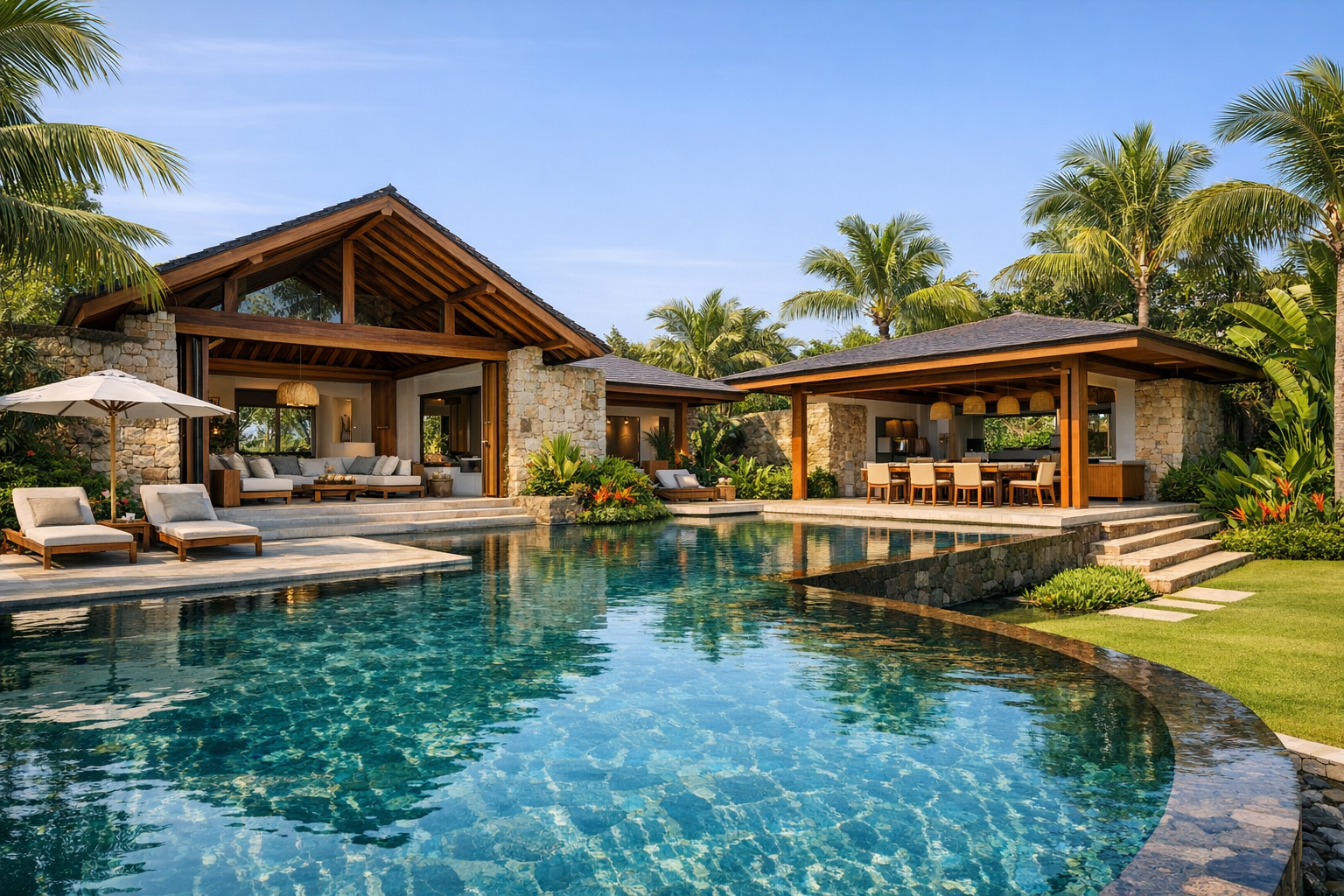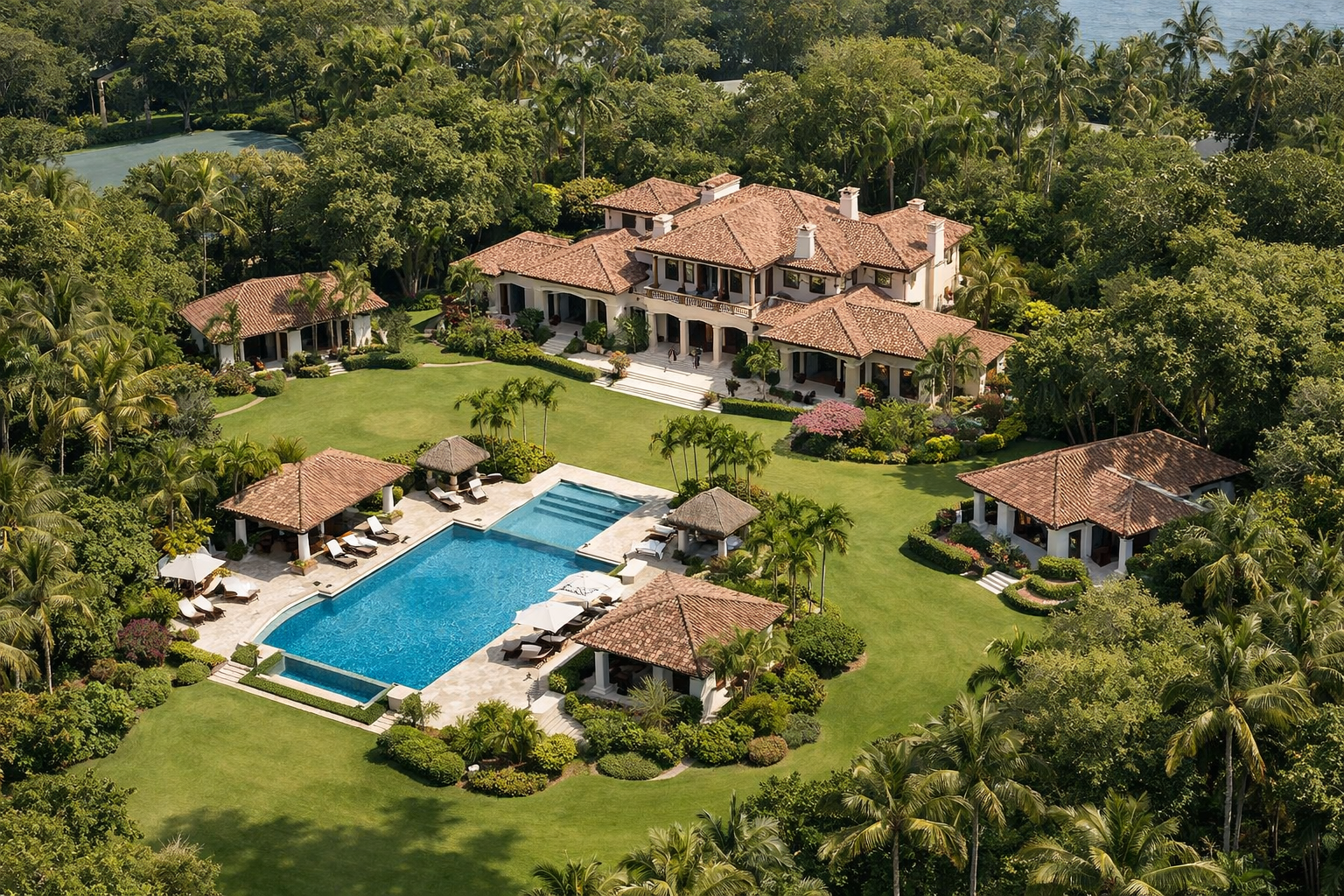
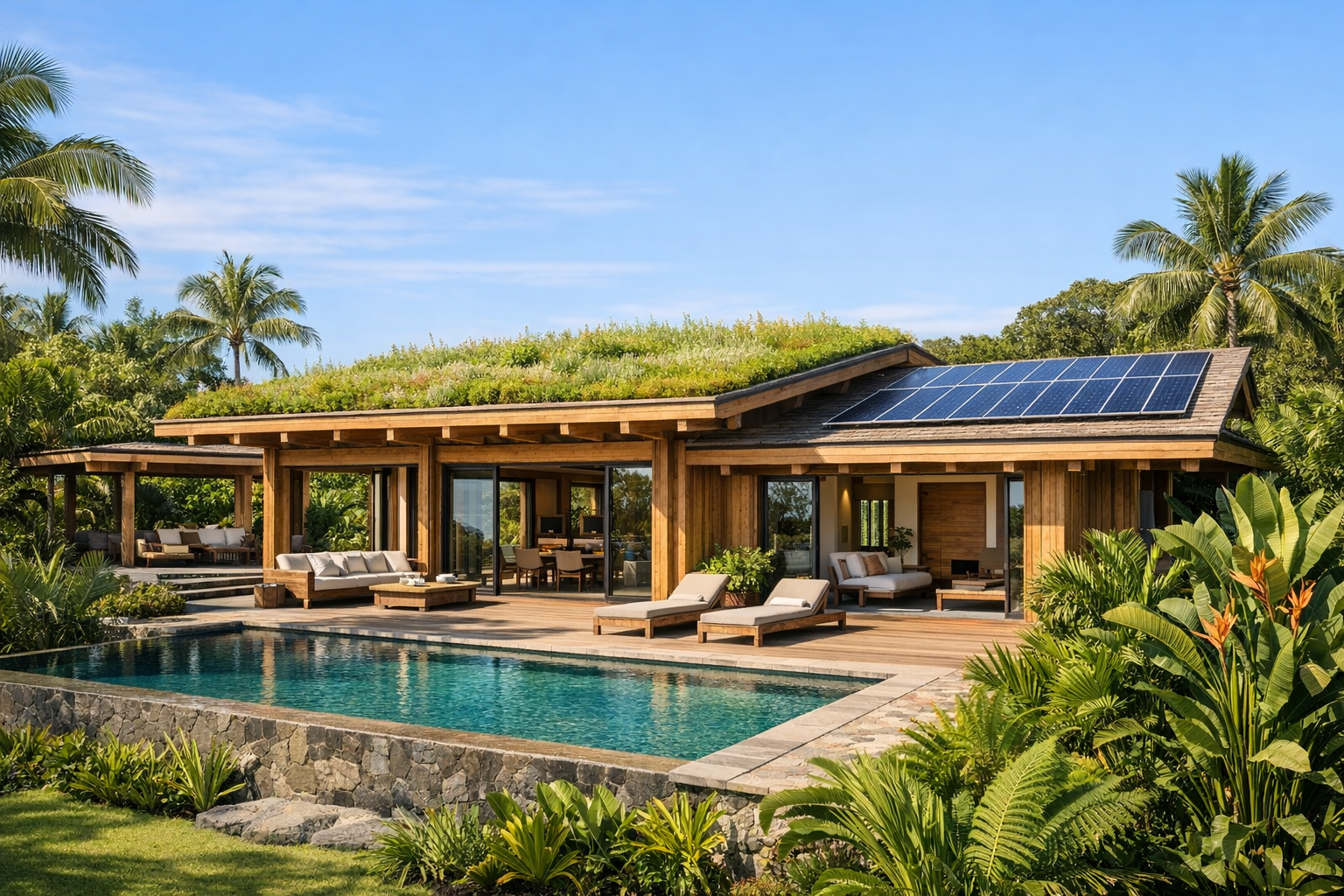
For years, sustainable design in real estate meant compromise — lower ceilings, smaller windows, an earnest aesthetic that telegraphed environmental virtue at the expense of luxury. That era is emphatically over. The most exciting new properties being built worldwide prove that sustainability and luxury not only coexist but actively reinforce each other.
The Business Case
Eco-luxury isn't just a marketing label. Properties with genuine sustainability credentials — certified by organisations like RICS or meeting internationally recognised green building standards — consistently sell faster and at higher prices than conventional equivalents. Buyers at the luxury end are increasingly sophisticated about environmental impact, and they're willing to pay for properties that align with their values without compromising on comfort.
Solar and Energy Independence
In tropical markets, solar power has gone from nice-to-have to essential. A luxury villa in Bali or Thailand can generate 80-100% of its electricity from rooftop solar panels, dramatically reducing operating costs and insulating owners from unreliable grid supply. The best installations pair solar generation with battery storage, creating properties that function independently of local infrastructure — a genuine luxury in markets where power outages are still common.
Water Management
Responsible water management is becoming a defining feature of premium developments in water-stressed regions. Rainwater harvesting systems, greywater recycling for gardens, and low-flow fixtures are standard in well-designed eco-luxury properties. In Bali, where water table depletion is a genuine environmental concern, properties with self-sufficient water systems carry both ethical and practical advantages.
Natural Materials, Engineered Performance
The most compelling eco-luxury properties use natural materials — bamboo, reclaimed timber, natural stone — but engineer them to modern performance standards. Bamboo, for instance, has a tensile strength comparable to steel and can be treated to resist insects and moisture. The result is buildings that look and feel organic while delivering structural performance that satisfies demanding international standards.
The Guest Perspective
For rental properties, sustainability is increasingly a booking driver. A growing segment of luxury travellers actively seeks out eco-conscious accommodation, and they tend to be higher-spending guests who stay longer and leave better reviews. Properties that can demonstrate genuine environmental commitment — not just greenwashing — access a premium market segment that conventional luxury properties miss.
Looking Ahead
The direction is clear: sustainability will become table stakes in luxury real estate within the next decade. Properties built today without environmental considerations will require expensive retrofitting tomorrow, or face declining desirability. For investors, building or buying green isn't just ethical — it's the pragmatic choice for long-term value preservation.