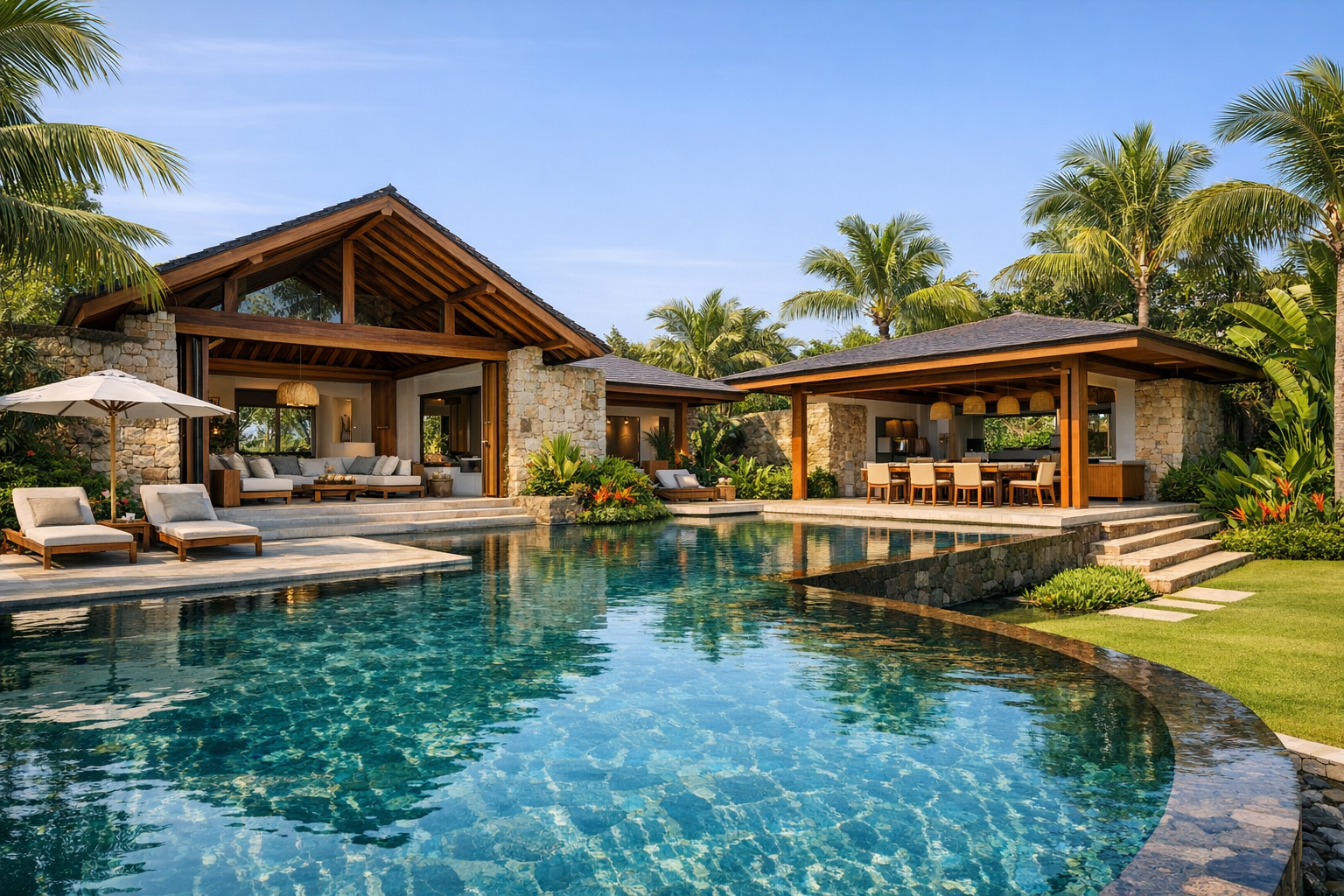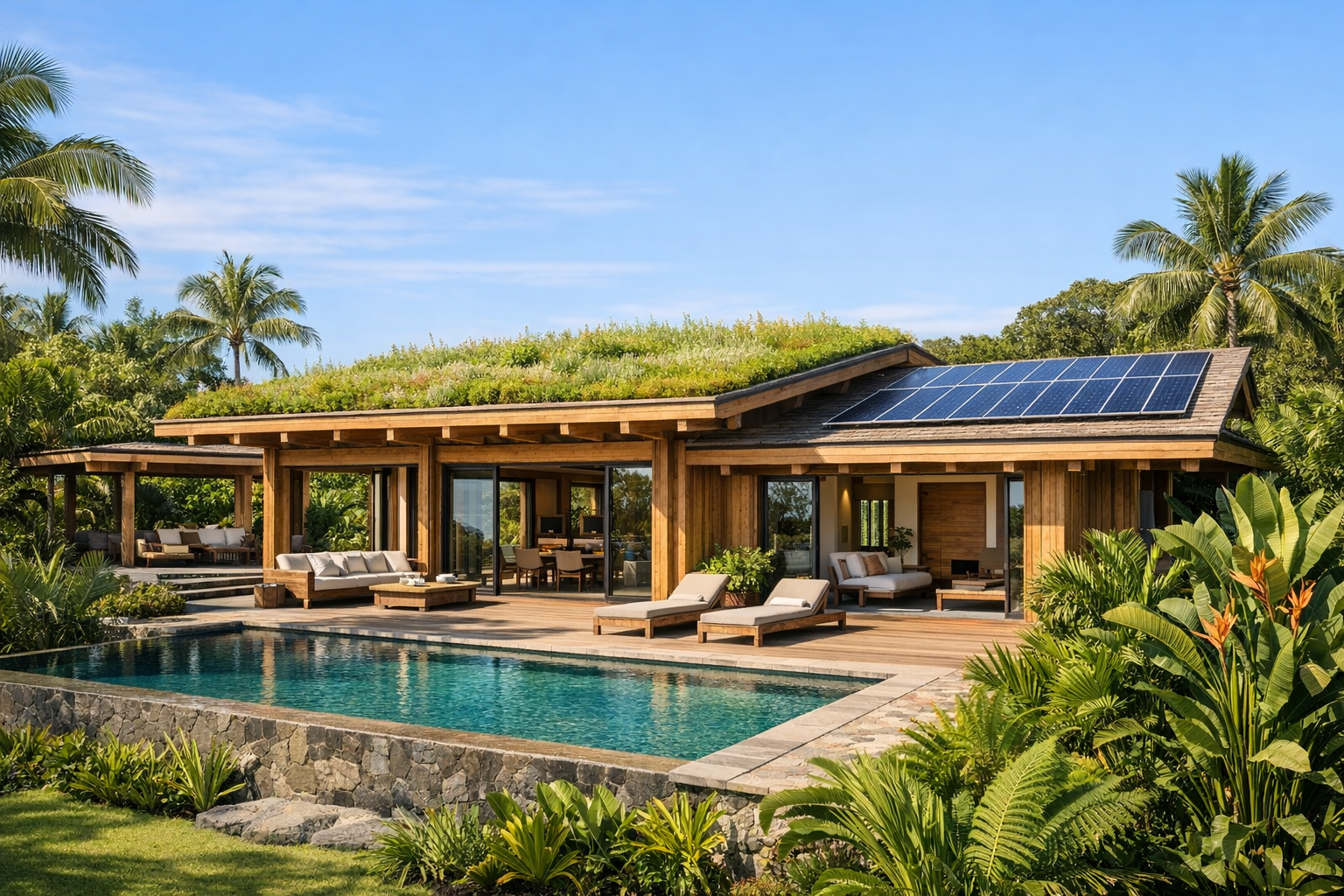
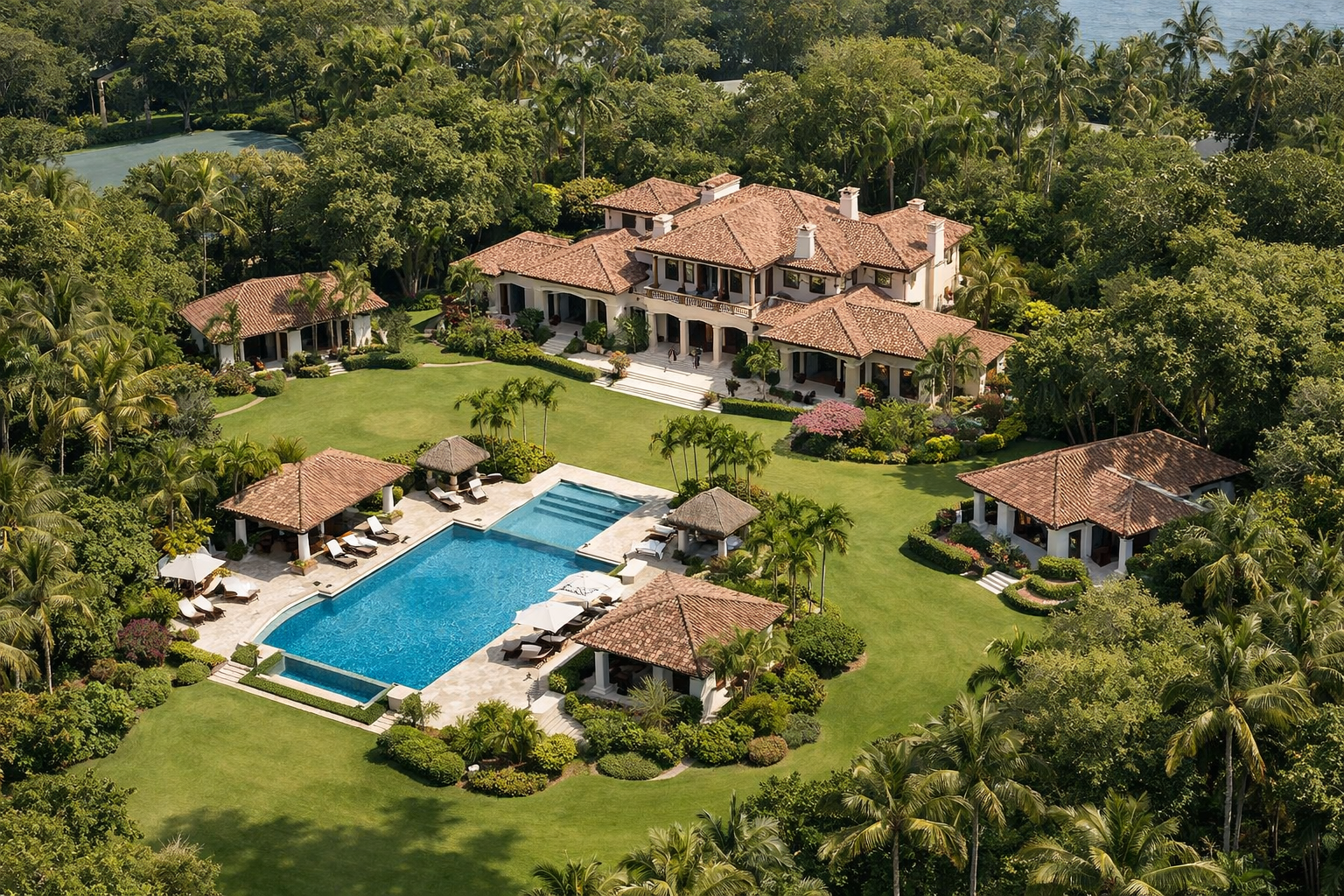
Before 2020, the luxury property market was moving steadily toward urban density. Penthouse apartments in London, New York, and Hong Kong were setting price records, while sprawling country estates struggled to attract younger buyers who valued proximity to culture and commerce over land and privacy. The pandemic reversed that trajectory almost overnight.
The Privacy Premium
What changed wasn't just where people wanted to live — it was what they wanted their home to do. A property that could serve simultaneously as office, school, gym, entertainment venue, and sanctuary required a fundamentally different amount of space than a place you slept in and left each morning. Private estates, with their multiple buildings, extensive grounds, and self-contained infrastructure, suddenly made practical sense in a way they hadn't for a generation.
The Multi-Generational Shift
One of the less discussed drivers of estate demand is the return of multi-generational living among affluent families. Parents, adult children, and grandparents who might previously have maintained separate households are choosing properties that can accommodate the entire family with appropriate privacy. The estate model — a main house with separate guest pavilions, staff quarters, and shared amenities — is perfectly suited to this arrangement.
Self-Sufficiency as Luxury
The definition of luxury is shifting from ostentation to self-sufficiency. The most desirable new estates include features that would have seemed eccentric a decade ago: kitchen gardens, water purification systems, backup power generation, and cold storage. These aren't bunker mentality additions — they're practical responses to supply chain disruptions that affluent buyers experienced firsthand and don't want to experience again.
The Wellness Integration
Private estates are increasingly designed around wellness infrastructure. Dedicated yoga pavilions, cold plunge pools, meditation gardens, and full-specification gyms have moved from wishlist items to expected features. The logic is straightforward: if you can work from anywhere, you can also exercise, recover, and maintain your health without leaving your property. The home gym has evolved from a treadmill in the garage to a facility that rivals boutique fitness studios.
Location Recalibrated
The estate resurgence hasn't meant a retreat to rural isolation. The most sought-after properties balance space and privacy with reasonable access to airports, international schools, and medical facilities. In markets like Bali, where a 30-minute drive can take you from a private estate compound to an international-standard hospital, this balance is achievable. In more remote locations, buyers are accepting longer travel times in exchange for the quality of daily life on the estate itself.
Investment Perspective
Private estates represent a distinct investment category. They're less liquid than apartments or small villas — the buyer pool is smaller and transactions take longer. But they offer something smaller properties can't: genuine scarcity. Large landholdings in desirable locations are finite, and in markets with increasing development pressure, they only become rarer over time. For buyers who can afford the entry price and don't need short-term liquidity, estates offer a compelling combination of lifestyle value and long-term capital preservation.