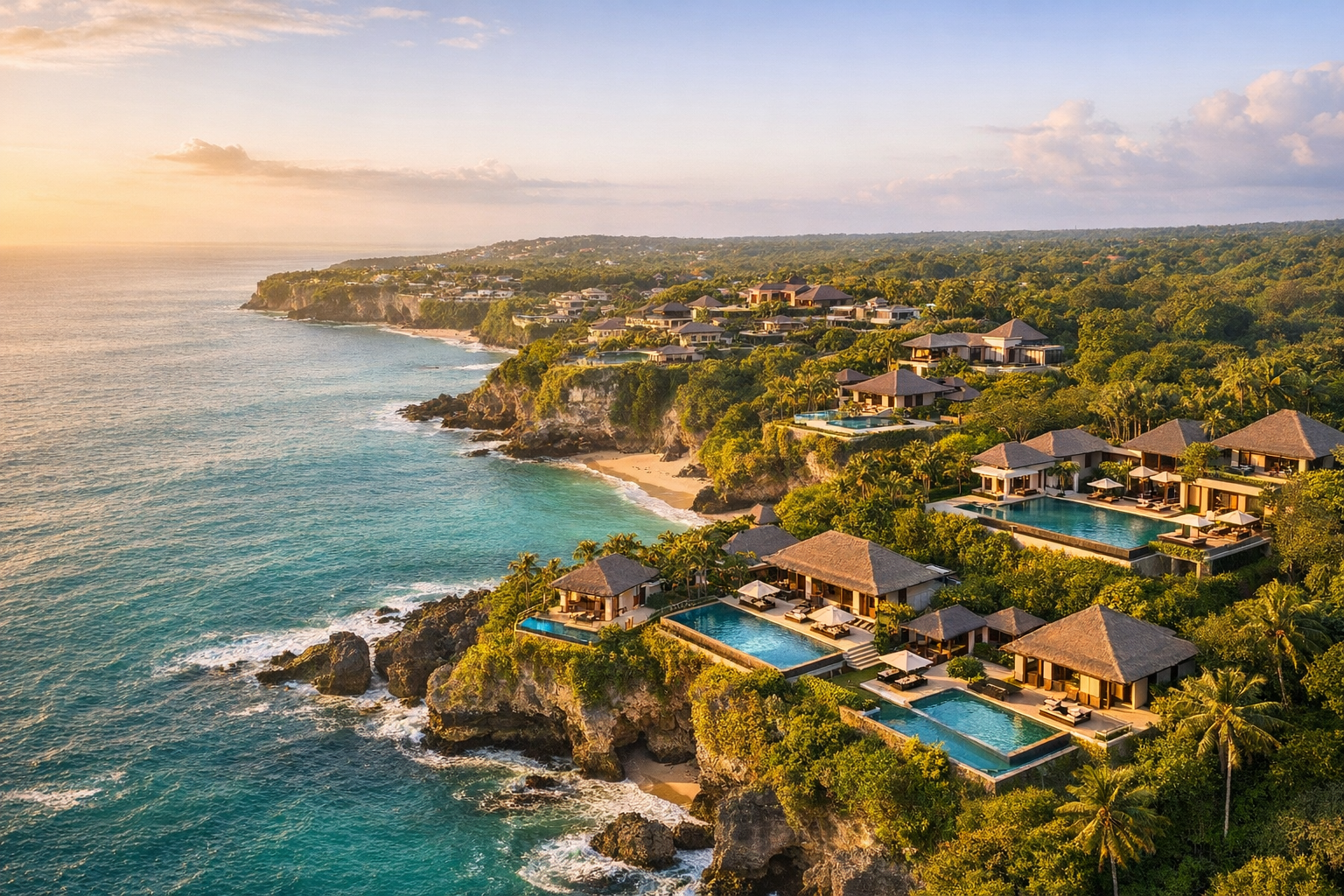
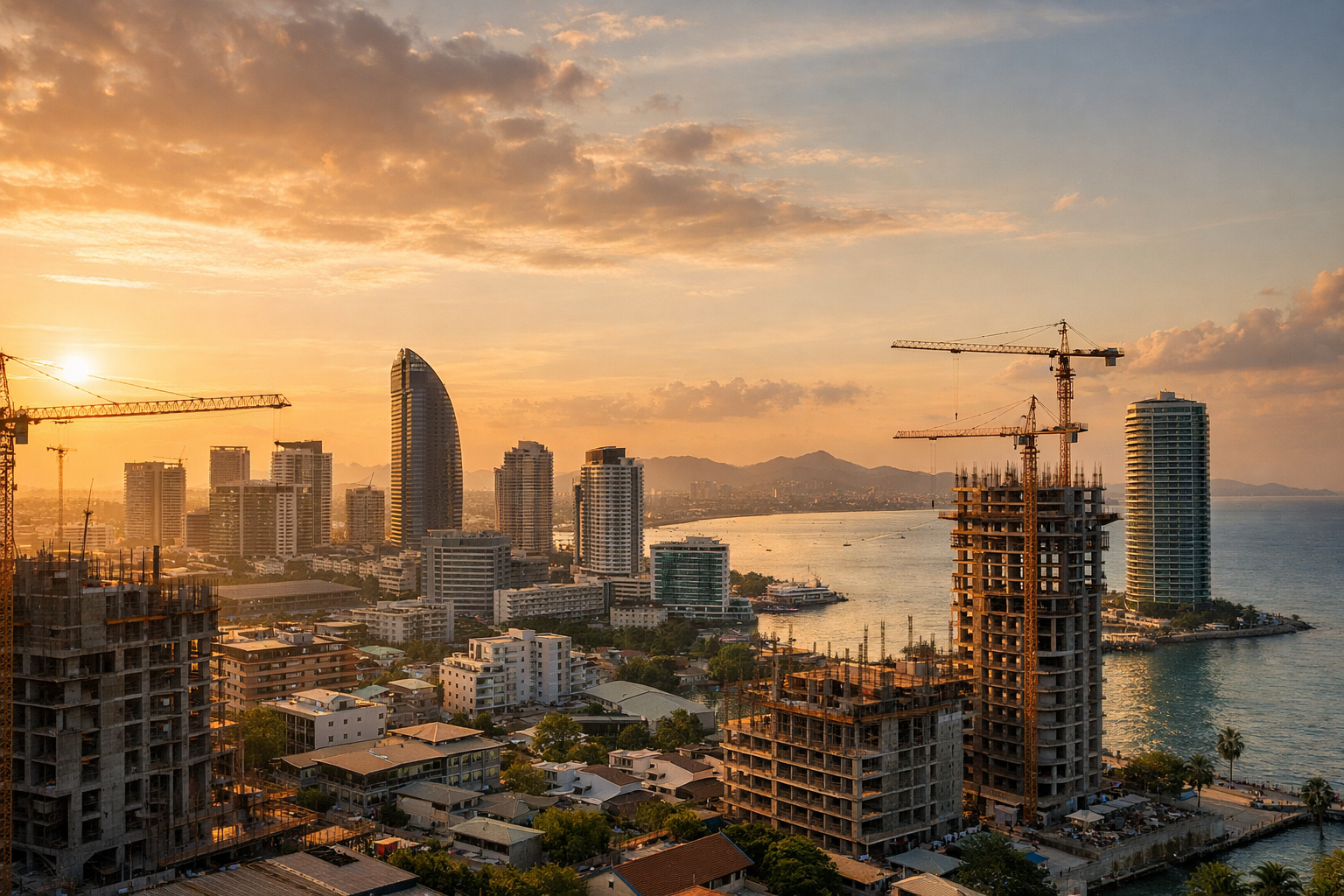
Every property market that's now considered "established" was once an emerging opportunity that rewarded early movers. Bali in the early 2000s, Portugal's Algarve a decade ago, Tulum before the crowds — the pattern repeats. Identifying the next wave requires looking past the hype and evaluating fundamentals: infrastructure investment, regulatory clarity, flight connectivity, and sustainable demand drivers.
Albania's Riviera
Albania's southern coastline is arguably Europe's best-kept property secret. Crystal-clear water comparable to Croatia or Greece, but at a fraction of the price. Saranda and Ksamil are attracting early-stage development, and Albania's EU accession candidacy provides a potential catalyst for significant value appreciation. Entry prices for beachfront apartments start below €100,000 — numbers that feel almost quaint compared to established Mediterranean markets.
Sri Lanka's Southern Coast
Sri Lanka's property market has been through turbulence, which is precisely why it warrants attention now. The southern coast between Galle and Tangalle offers stunning beachfront land at prices that haven't recovered to pre-crisis levels. The country's natural beauty, cultural depth, and improving infrastructure make a compelling case for patient investors. The new expressway connecting Colombo to the south coast has cut travel times dramatically, opening up areas that were previously impractical for tourism-driven property.
Northern Portugal
While the Algarve and Lisbon have seen prices rise substantially, Portugal's northern regions — the Douro Valley, the Silver Coast, and areas around Porto — remain relatively undervalued. According to JLL's market research, northern Portugal offers yields 2-3% higher than Lisbon while benefiting from the same favorable tax regime, including the Non-Habitual Resident programme that has drawn thousands of international buyers to the country.
Lombok, Indonesia
Right next to Bali but ten years behind in development, Lombok offers what Bali offered in the 2010s: exceptional natural beauty, low entry prices, and the early stages of infrastructure investment that typically precedes significant property value growth. The new international airport has improved connectivity, and the Mandalika tourism zone on the southern coast is bringing international-standard development to the island for the first time.
Mexico's Oaxaca Coast
While Tulum has become saturated and controversial, Mexico's Oaxaca coast — particularly around Puerto Escondido and Huatulco — is attracting the surfers, yogis, and remote workers who are the advance guard of property market development. Prices are where Tulum was eight years ago, and the region's authentic character and limited development create genuine scarcity value for well-positioned properties.
The Common Thread
These markets share key characteristics: beautiful natural settings, improving but still developing infrastructure, regulatory environments that permit foreign investment (with varying degrees of complexity), and price points that leave significant room for appreciation. The risk is real — emerging markets carry political, regulatory, and liquidity risks that established markets don't. But for investors with appropriate risk tolerance and a long-term horizon, the potential returns justify serious attention.